←︎ All case studies
Karaoke Paradise: Building an entertainment brand from zero
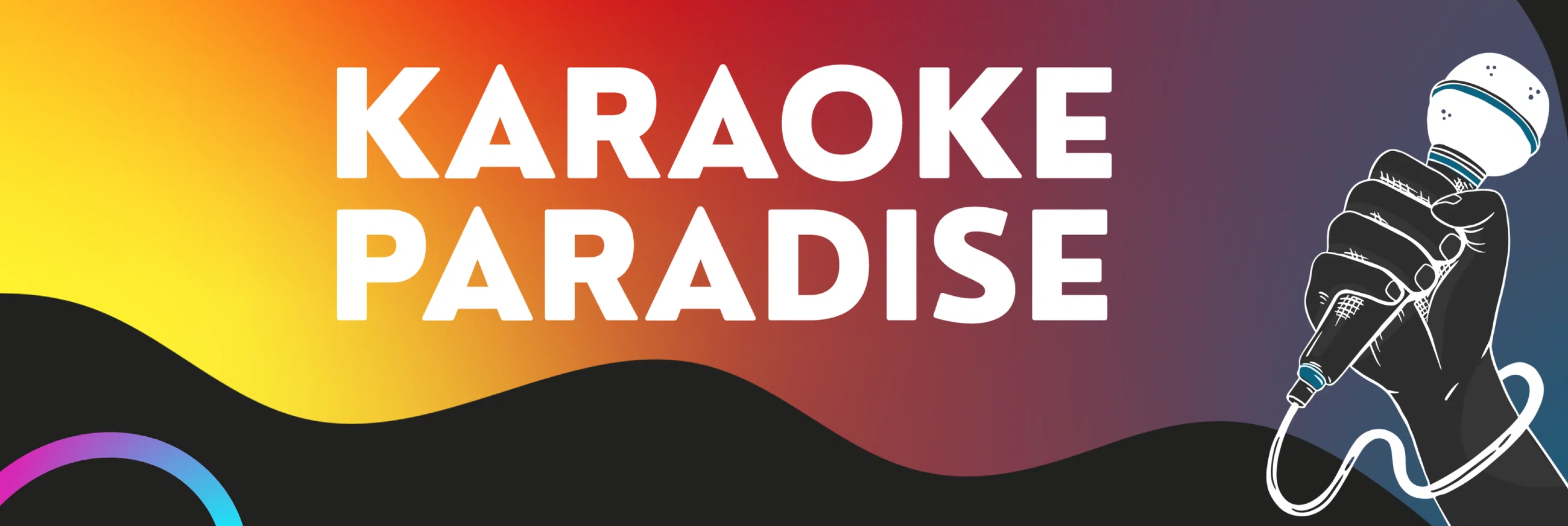
A brand and launch concept for a karaoke venue in Richmond, BC, built from market gap, audience profile, positioning, visual identity, campaign applications, and launch strategy.
Brand Strategy
Launch Design
Academic
TL;DR
Karaoke Paradise brand and launch concept. The project turned a venue idea into a full entertainment brand with positioning, identity, campaign applications, and launch strategy.
Karaoke Paradise was an academic brand and business concept for a karaoke venue in Richmond, BC.
The idea came from a simple gap: karaoke is popular in many Asian communities, but in Vancouver it can be harder to find outside Downtown or Burnaby. The concept positioned Karaoke Paradise as a local entertainment venue for students and young Asian professionals who wanted private rooms, themed experiences, updated playlists, snacks, costumes, and a place to go out without crossing the city.
I built the project from positioning to launch: audience profile, mission, visual identity, slogan, campaign applications, SWOT, drink menu, launch strategy, and expected business goals.
- Role
- Brand Designer · marketing strategist
- Context
- Entertainment brand concept
- Audience
- Students and young professionals, mostly 19–30
- Key metrics
- 19–30 Target audience · 3–5 weeks Pre-launch awareness · 6 Brand experience pillars · 4 Campaign channels
- Scope
- Brand identity · visual system · launch campaign · transit ads · magazine ad · Instagram
- Key challenge
- Turn a venue idea into a believable entertainment brand with enough strategy to support launch
- Output
- Brand concept · visual identity · campaign system · launch plan · business presentation
The concept existed because the location had a gap.
Karaoke Paradise started with a market gap.
Karaoke is already popular in many Asian communities, but in Metro Vancouver the experience can feel concentrated around Downtown Vancouver or Burnaby. For people living, studying, or going out around Richmond, that means the night often starts with a commute before the fun even begins.
The concept positioned Karaoke Paradise as a local alternative: a private-room karaoke venue for students and young professionals who wanted somewhere social, playful, and easy to access without crossing the city.
This was an academic concept, but I treated it like a real launch problem. The question was not “what should it look like?” It was “why would this place deserve to exist?”
The concept was built around a location gap: karaoke as a familiar entertainment format, but positioned for a Richmond audience.
A venue is not a brand yet.
The brand needed to do more than announce “karaoke.” It had to make the experience feel specific.
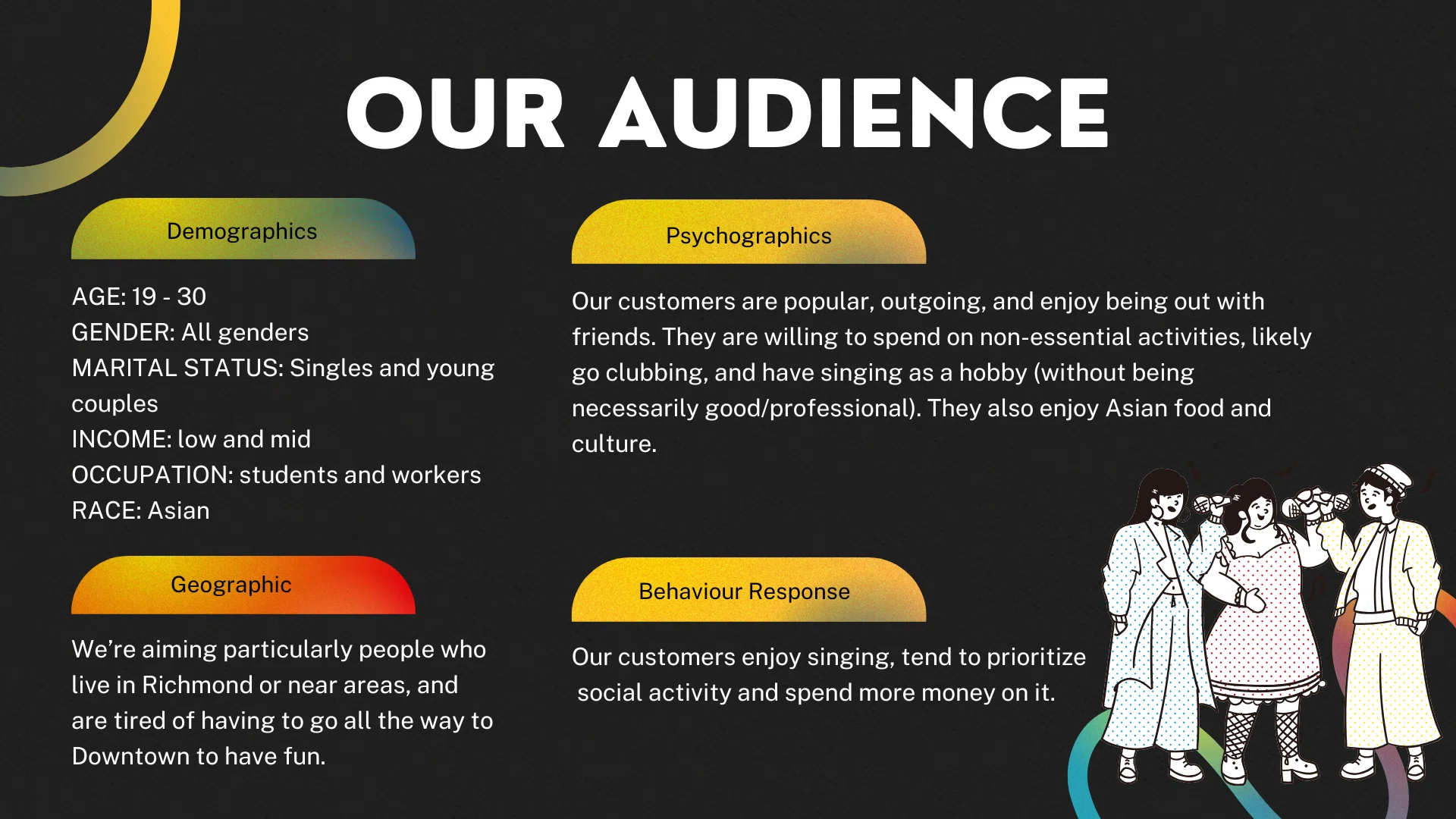
The audience was students and young professionals, mostly between 19 and 30, with a strong focus on young Asian customers near Richmond. The positioning leaned into private rooms, themed experiences, updated playlists, snacks, costumes, and a night-out feeling that did not depend on going downtown.
That helped shape the brand promise. Karaoke Paradise was not just a room with microphones. It was a place to perform, laugh, dress up, compete, post, and come back with different groups of friends.
The strategic work mattered because entertainment brands live or die by the reason people choose them over staying home, going to a bar, or taking the train somewhere else.
The identity had to feel like nightlife without losing playfulness.
The visual system needed to feel energetic, social, and a little theatrical. Karaoke is already performative, so the brand could be louder than a typical service business without feeling forced.
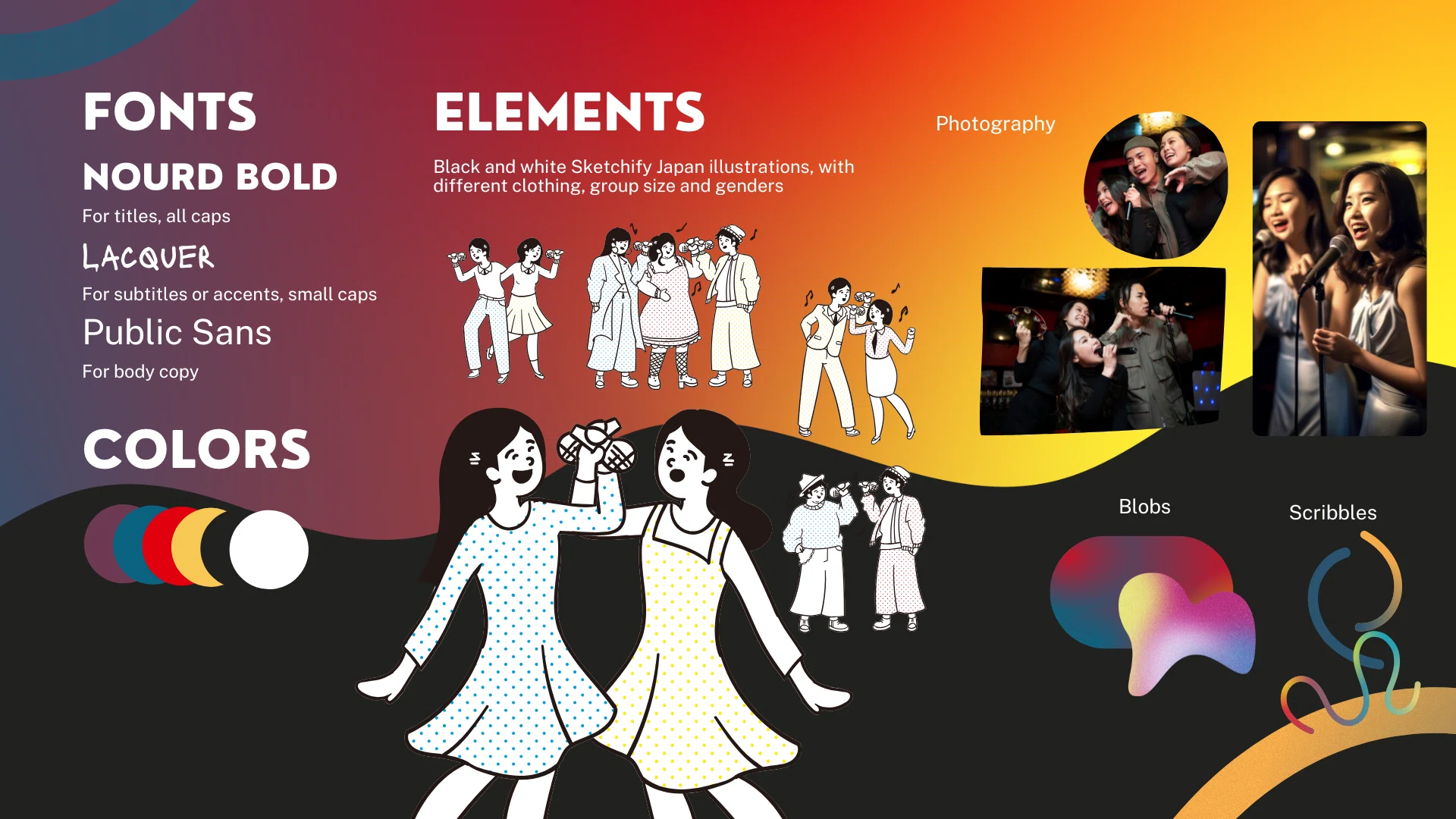
I built the identity around a playful nightlife direction, with a name, slogan, colors, typography, and applications that could stretch across signage, promotional materials, social content, and launch advertising.
The goal was not to make it look expensive or exclusive. The goal was to make it feel like a place people could imagine entering with friends: bright, fun, slightly chaotic, and easy to remember.
Karaoke Paradise visual identity system, designed to feel playful, energetic, and ready for campaign applications.
The brand was built around reasons to come back.
The concept included more than the basic karaoke offer because a new venue needs repeat reasons to visit.
I developed the experience around private rooms, themed rooms, costumes, updated playlists, snacks, drinks, and daily championships. Those details made the venue easier to imagine as a real place, not just a logo on a slide.
They also gave the brand more to talk about. A launch campaign can introduce the venue, but ongoing communication needs hooks: new themes, competitions, group nights, menu items, student offers, and reasons to bring friends back.
That is why the experience design and brand strategy had to work together. The visuals created recognition, but the offer created behavior.
The SWOT kept the concept from floating away.
Because this was a business and brand concept, I included a SWOT analysis to keep the idea grounded.
The strengths were tied to audience fit, location, and the social nature of karaoke. The opportunity was a venue that could serve Richmond customers who did not want to depend on Downtown or Burnaby for a night out.
The risks were also real. Entertainment venues depend on rent, foot traffic, repeat visits, group planning, and competition from other social activities. A strong visual identity would not be enough if the concept did not account for those pressures.
The SWOT helped connect the creative direction to the business reality behind it.
The campaign had to build awareness before opening.
The launch plan started three to five weeks before opening, with the goal of making the venue feel familiar before people could visit.
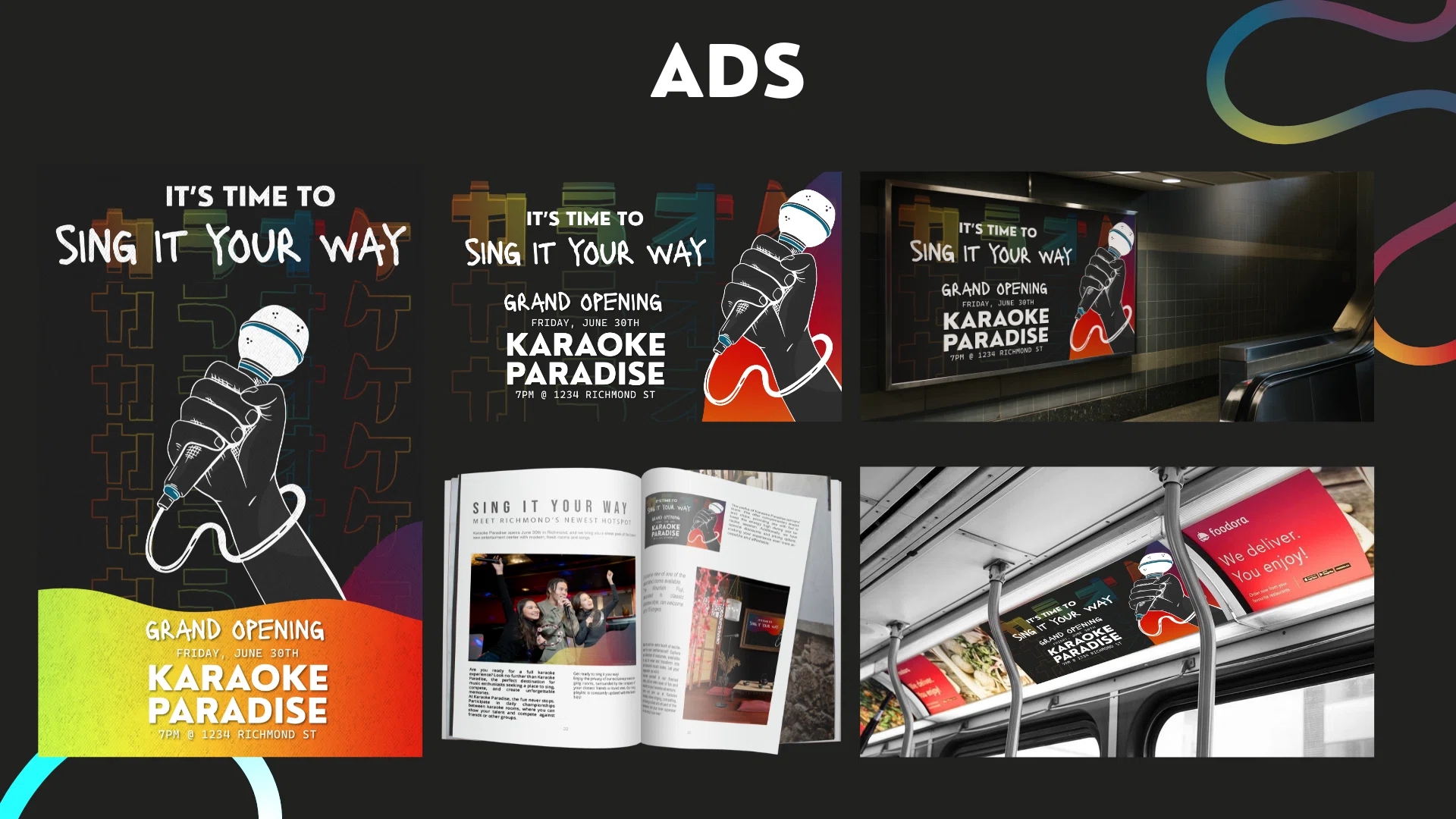
I planned campaign applications across transit ads, billboards, Vancouver Magazine, and Instagram. Each channel had a different role. Transit and outdoor placements helped with local awareness. Magazine placement gave the concept a more polished lifestyle context. Instagram supported the social energy of the brand and made the venue easier to share.
The launch strategy was simple on purpose: make the name visible, make the experience understandable, and give people enough reason to remember it when planning a night out.
Launch campaign applications across transit, outdoor, magazine, and Instagram, designed to build awareness before opening.
The project needed targets, even as a concept.
The project included expected business goals because a launch concept should not stop at aesthetics.
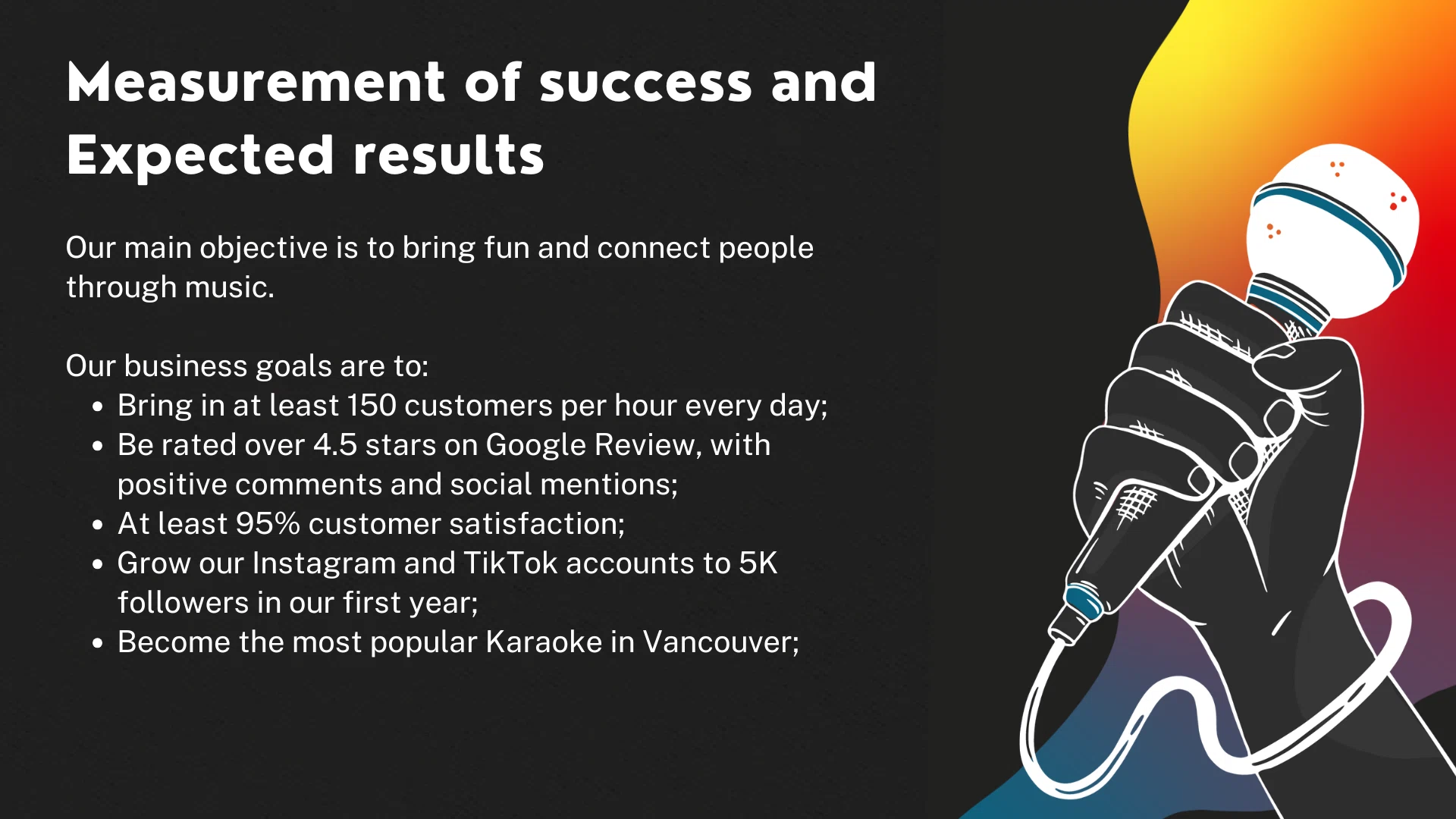
The goals were projections, not real outcomes, but they helped define what success would need to look like: awareness before opening, foot traffic after launch, repeat visits, social sharing, and enough customer interest to support the venue beyond novelty.
Including those targets made the project stronger because it treated design as part of a business system. The identity had to attract attention, but the campaign and experience had to help turn that attention into visits.
Expected business goals framed the concept around awareness, visits, repeat behavior, and launch traction.
The brand had to make the place feel real.
Karaoke Paradise was not a real venue, so the brand had a specific job: make the idea feel believable.
That meant building more than a logo. The project needed a market reason, a defined audience, a clear offer, campaign channels, experience details, and a launch plan that could make someone understand the venue before it existed.
The result was a full entertainment brand concept with enough strategic structure to support the visual direction. It showed how a simple idea like “open a karaoke place” becomes stronger when the brand answers where, for whom, why now, and why this version.
The venue did not exist yet. The brand had to make people believe it could.